


Origins and Popularity
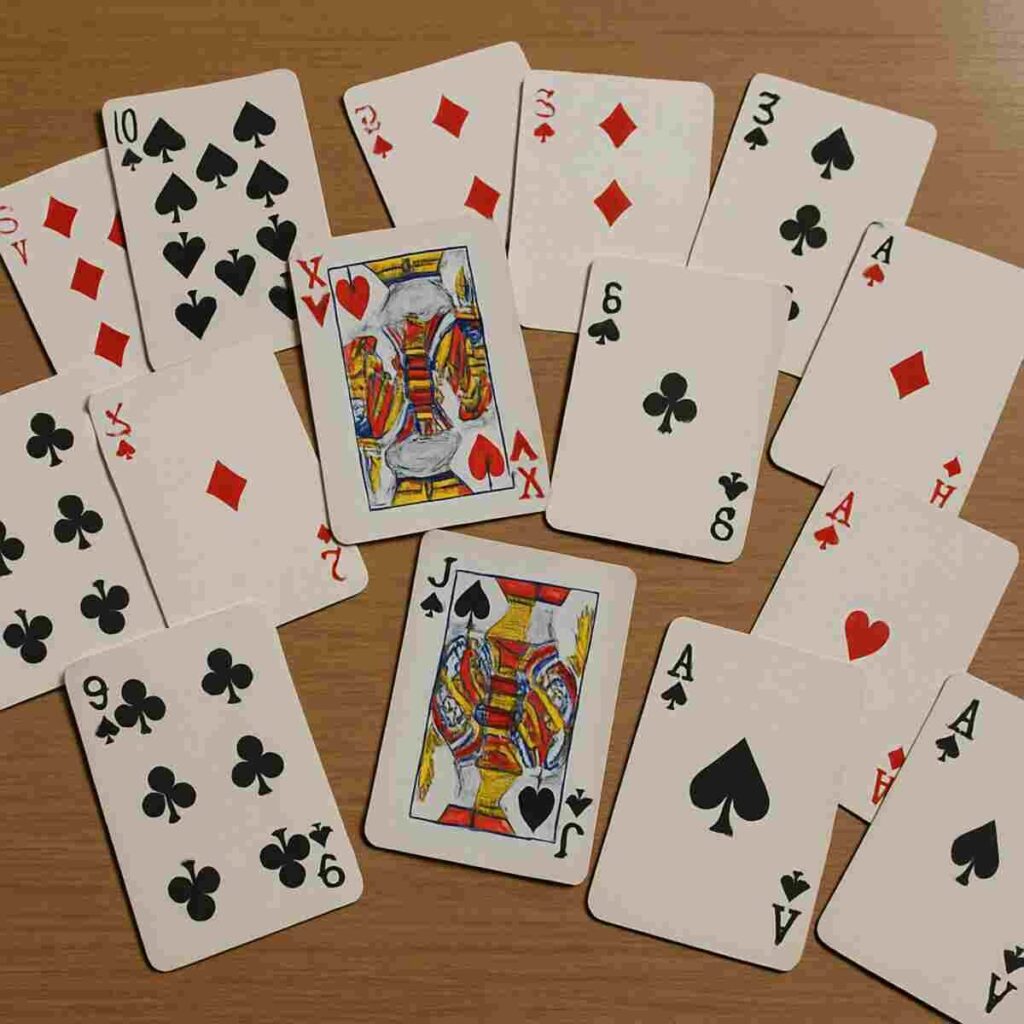
The Hand and Foot card game is a rummy-style game that originated in North America. While its exact origins are somewhat murky, it has steadily gained popularity across the continent, becoming a staple in many households. Its growth in popularity can be attributed to its engaging gameplay and the way it brings people together around a table for hours of fun. To know more, check out TERATAI189
Game Dynamics
The game is typically played with two teams of two players each, but it can also be adapted for individual play. The essence of the game lies in its dynamic nature, where players must constantly adapt their strategy based on the cards in their hands and the actions of their opponents. This adaptability makes each game unique, ensuring that players remain engaged and challenged every time they play.
Objective and Appeal
The primary goal is to be the first to get rid of all the cards in your hand and foot while scoring the most points. The appeal of Hand and Foot lies in its perfect balance of luck and strategy, making it accessible to beginners yet challenging for seasoned players. Its ability to engage players of all skill levels is one of the reasons it has stood the test of time.
Setting Up the Game
Before you start playing, you’ll need:
- Four to six decks of standard playing cards, including jokers.
- A group of eager players. The game works best with four players in two teams, but you can adjust the rules for more or fewer players.
Preparing the Decks
- Shuffle and Mix: Combine all the decks and shuffle them thoroughly. This will ensure a good mix of cards, which is essential for a fair game. The thorough shuffling also adds an element of unpredictability, keeping the game exciting and fair for all participants.
- Deal the Cards: Each player receives two sets of cards: a “hand” and a “foot.” The hand consists of 11 cards, while the foot has 11 cards that remain face down until the hand is played. This setup adds a layer of anticipation and strategy, as players must carefully consider which cards to play from their hand before accessing their foot.
- Team Formation: If playing in teams, decide on pairs before dealing the cards. Team dynamics can greatly influence the game, as players must communicate and strategize together to maximize their chances of winning. This collaborative aspect makes Hand and Foot a great game for building camaraderie.
The Basic Rules
Understanding the rules of Hand and Foot is crucial to enjoying the game fully. Here’s a simplified version:
Objective
The aim is to score more points than your opponents by creating “melds” of cards and by playing all the cards in your hand and foot. This dual objective requires players to balance their efforts between scoring and strategic card play, making each decision critical to their success.
Melds
- What is a Meld?: A meld is a set of three or more cards of the same rank. For example, three kings or four 7s. Melds are the building blocks of your strategy, and knowing how to create and manage them is key to mastering the game.
- Wild Cards: Jokers and 2s are wild and can be used to complete melds. However, a meld cannot contain more wild cards than natural cards. The strategic use of wild cards can turn the tide of the game, making them a powerful tool in any player’s arsenal.
- Natural vs. Mixed: Natural melds, which contain no wild cards, score more points than mixed melds. Players must decide when to use wild cards to complete melds and when to aim for natural melds for higher scores.
Playing a Round
- Draw Cards: On your turn, draw two cards from the stockpile. This is your opportunity to enhance your hand and set the stage for creating melds.
- Create Melds: Lay down any melds you can create from your hand. Timing is crucial when laying down melds, as revealing too much too soon can give your opponents an advantage.
- Discard: End your turn by discarding one card onto the discard pile. Discarding strategically can disrupt your opponents’ plans while also setting up your next move.
Moving from Hand to Foot
Once you’ve played all the cards in your hand, you can pick up your foot and continue playing. This transition is a crucial part of the game’s strategy. Timing your transition well can mean the difference between victory and defeat, as it offers a fresh set of cards and opportunities to score.
Scoring Points
Point Breakdown
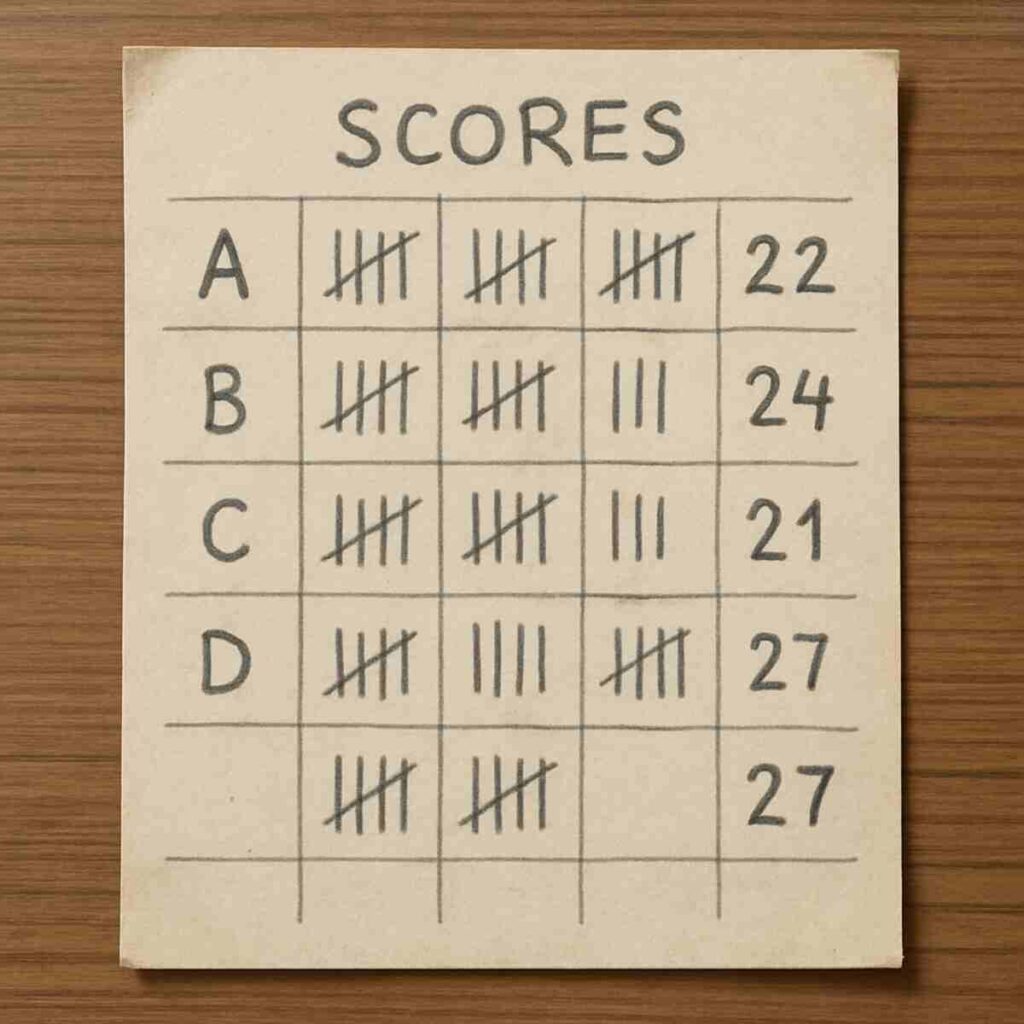
Points are scored for melds, and the game ends when a player or team reaches a predetermined score, often 5,000 or 10,000 points. Understanding the point system is essential for strategizing your moves throughout the game.
- Natural Melds: Melds without wild cards score more points. Prioritizing natural melds can give you a significant advantage over your opponents.
- Mixed Melds: Melds with wild cards score fewer points. While easier to complete, mixed melds should be used strategically to maximize your score without relying too heavily on them.
- Bonuses: Completing certain objectives, like going out first or having no cards left in your foot, can earn bonus points. These bonuses can turn a close game in your favor, so always keep them in mind as you play.
Strategy and Scoring
Balancing your strategy between creating high-scoring melds and achieving bonus objectives is crucial. Players who can effectively manage their cards and anticipate their opponents’ moves will find themselves consistently ahead on the scoreboard.
Adjusting Strategy
As the game progresses, adjust your strategy based on your score and your opponents’. Being adaptable and willing to change your approach can lead to unexpected victories and keep your opponents guessing.
Strategies for Success
To master the Hand and Foot game, consider these strategies:
Plan Your Melds
Think ahead about which cards you need to complete your melds. Use wild cards wisely to maximize your score. Developing a plan before the game starts can give you a clear path to follow, helping you stay focused even when the game takes unexpected turns.
Watch Your Opponents
Pay attention to the cards your opponents are picking up and discarding. This can give you clues about their strategy and help you adjust yours accordingly. Observing your opponents’ habits and preferences can provide valuable insights into their game plan.
Manage Your Cards
Try to keep a balanced hand with a mix of high and low-value cards. This will give you more flexibility in creating melds and going out. A well-managed hand allows you to adapt to changing circumstances and seize opportunities as they arise.
Timing Your Moves
Knowing when to lay down melds, when to transition from hand to foot, and when to go out is critical. Timing your moves well can catch your opponents off guard and give you a strategic edge.
Communication in Team Play
If playing in teams, effective communication with your partner is essential. Discuss strategies and keep each other informed about your progress to ensure you work together effectively.
Common Variations
Hand and Foot has numerous variations that you can try once you’re comfortable with the basic rules. Here are a few popular ones:
Progressive Hand and Foot
In this version, the number of cards in the hand and foot increases with each round. This variation adds complexity and requires players to adjust their strategies as the game progresses, providing a fresh challenge for seasoned players.
Team Play
Partners work together to create melds and score points, adding a layer of strategy and coordination. Team play emphasizes collaboration and communication, making it a great choice for groups looking to strengthen their teamwork skills.
Double Decks
Some variations use even more decks, increasing the number of cards and potential melds. This version can lead to higher scores and more dramatic shifts in gameplay, keeping everyone on their toes.
Jokers’ Role
In some versions, jokers have additional roles or restrictions, adding an extra layer of strategy. Adjusting the role of jokers can change the dynamic of the game, providing new challenges and opportunities.
Tips for Beginners
Practice Makes Perfect
The more you play, the better you’ll understand the game mechanics and strategies. Regular practice helps you develop a deeper understanding of the game’s nuances, improving your skills over time.
Read the Rules
Consider downloading a PDF of the rules for easy reference during your first few games. Having the rules on hand can help resolve any disputes and ensure everyone is on the same page.
Have Fun
Remember, the main goal is to enjoy the game and spend quality time with friends and family. Focusing on fun rather than competition can create a more relaxed and enjoyable atmosphere for everyone.
Learn from Mistakes
Don’t be afraid to make mistakes as you learn the game. Each mistake is an opportunity to improve and refine your strategy, helping you become a more skilled player.
Ask for Tips
If you’re playing with experienced players, don’t hesitate to ask for advice. Most players are happy to share their knowledge and help newcomers improve their game.
Conclusion
Mastering the Hand and Foot game is not only a fun challenge but also a great way to sharpen your strategic thinking and decision-making skills. Whether you’re playing with friends, family, or new acquaintances, this game offers endless opportunities for entertainment and engagement. So grab your decks, gather your players, and start your journey towards becoming a Hand and Foot expert today! As you continue to play, you’ll discover new strategies, variations, and ways to enjoy this classic card game, ensuring that it remains a beloved pastime for years to come.