


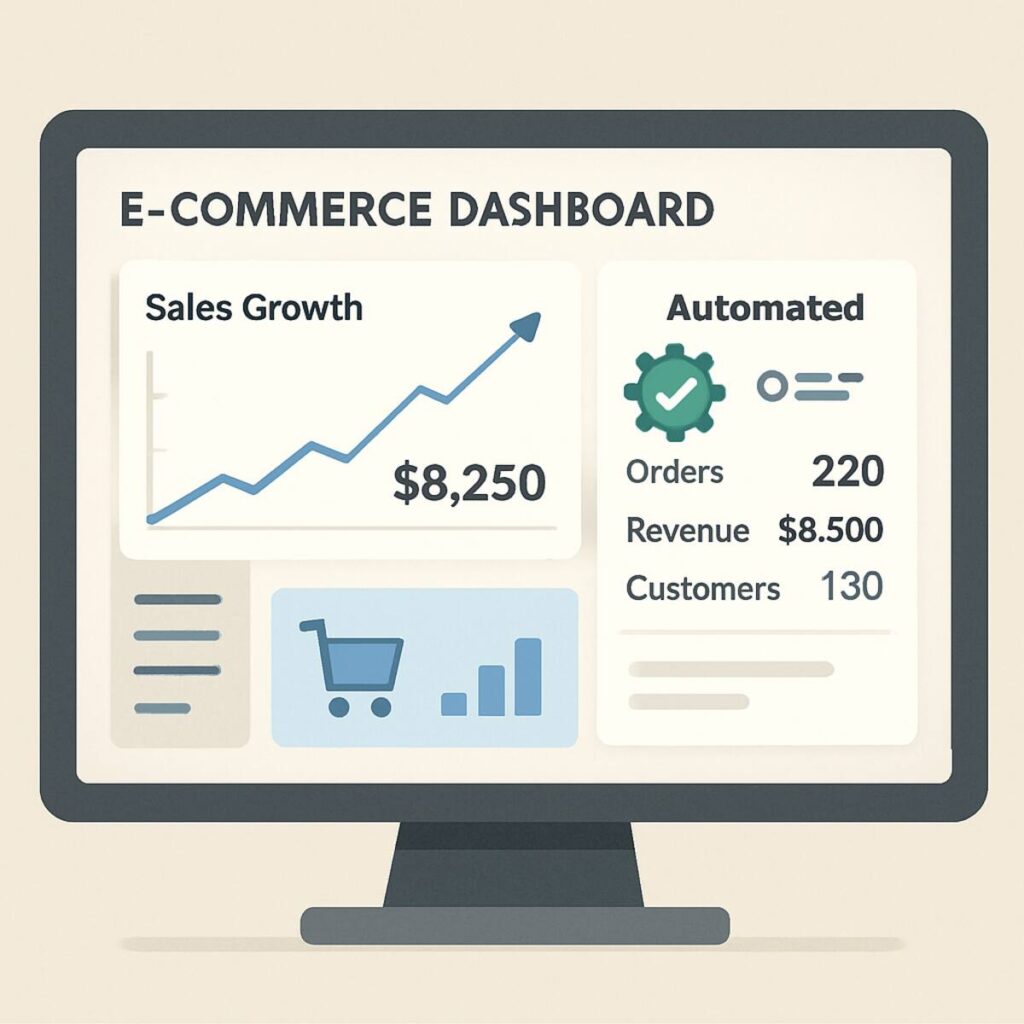
Launching a Shopify dropshipping store is one of the most accessible ways to enter the e-commerce world. You don’t need a warehouse, you don’t need to manufacture goods, and you don’t need to buy thousands of dollars in upfront inventory. However, the barrier to entry might be low, but the barrier to success is much higher. The difference between a store that struggles to break even and a highly profitable brand usually comes down to the systems and tools running quietly in the background. Find the best dropship app for shopify.
If you want to build a sustainable business, finding the best dropship app for Shopify is an absolute necessity. The right app does more than just import products; it acts as the digital nervous system of your business. From vetting suppliers to automating your fulfillment process, your dropshipping app dictates your shipping times, product quality, and ultimately, your customer satisfaction.
In this comprehensive guide, we will explore the landscape of modern dropshipping software. We will break down the top applications, compare industry heavyweights, explore niche supplier networks, and provide actionable strategies for scaling your e-commerce profit margins with automation. Whether you are a beginner looking for your first winning product or a seasoned veteran aiming to streamline your supply chain, this guide has you covered.
The Foundation of a Profitable Dropshipping Store
Before diving into specific applications, it is crucial to understand what makes a dropshipping app valuable. In the early days of Shopify dropshipping, merchants would manually copy and paste customer details into AliExpress. Today, doing this will guarantee burnout.
Modern dropshipping relies heavily on automated order fulfillment software. When a customer buys a product from your store, this software automatically forwards the customer’s details and the order specifics to your supplier. The supplier then ships the product, and the software syncs the tracking number back to your Shopify dashboard, automatically notifying the customer.
But automation is only one piece of the puzzle. To truly succeed, you need reliable partners. Knowing how to find high-quality dropshipping suppliers is a skill that separates successful stores from failures. You should evaluate potential apps based on:
- Supplier Vetting: Does the app allow anyone to be a supplier, or is there a strict vetting process?
- Shipping Speeds: Does the app offer local warehousing or expedited international shipping?
- Product Margins: Are the wholesale costs low enough to allow for profitable retail markups?
- Customer Support: When an order goes missing (and it will), does the app provide fast, reliable support?
Top General Dropshipping Apps for Shopify
General dropshipping apps give you access to millions of products across every conceivable category—from electronics and home goods to pet supplies and apparel. Here are the top contenders in the Shopify ecosystem today.
1. DSers: The AliExpress Official Partner
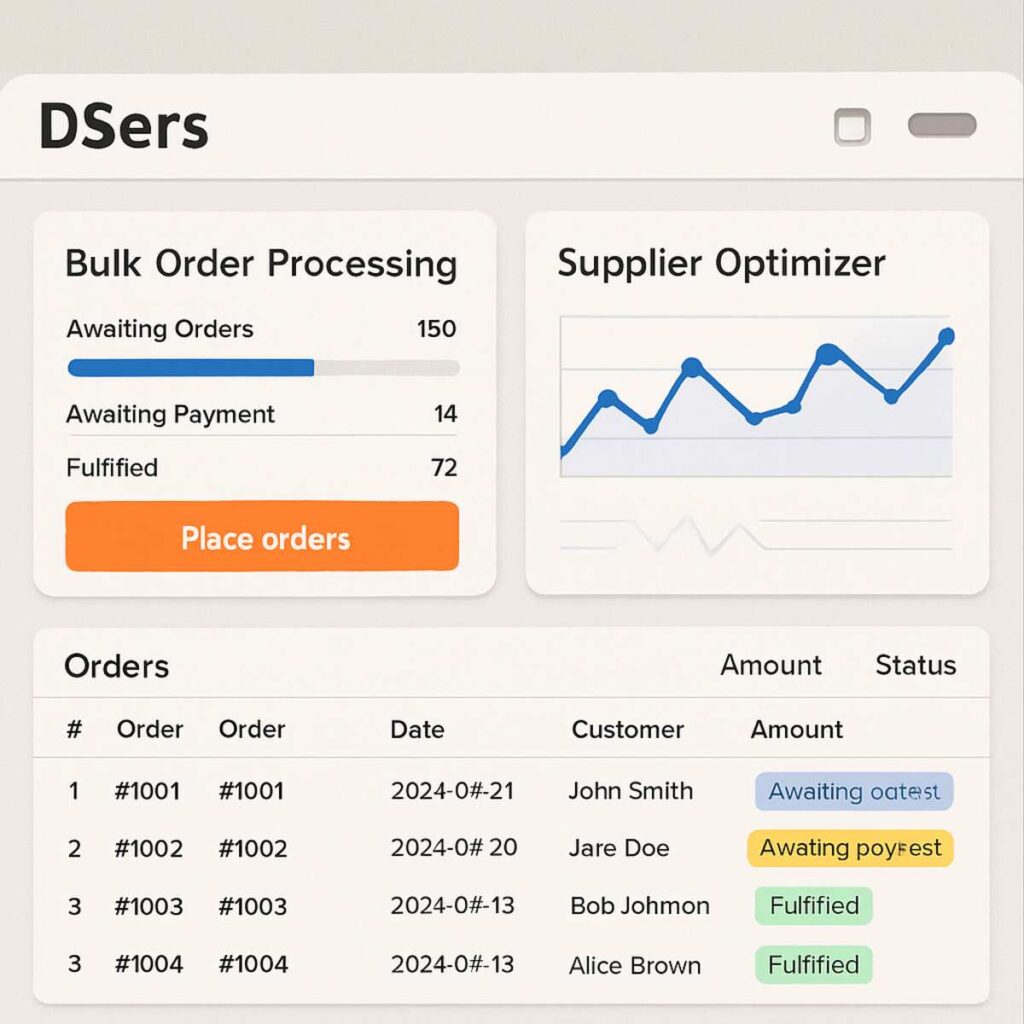
When Oberlo shut down, DSers stepped in as the official AliExpress dropshipping partner for Shopify. It is widely considered the best dropship app for Shopify if your business model relies heavily on AliExpress products.
DSers is a powerhouse of automation. Its standout feature is its Supplier Optimizer, which allows you to take an AliExpress link, input it into DSers, and instantly find alternative suppliers selling the exact same product with better ratings or lower prices.
Key Features:
- Supplier Optimizer: Instantly compare suppliers to increase margins.
- Bulk Order Processing: DSers is famous for its bulk order processing for online stores. You can place hundreds of orders with AliExpress suppliers in a matter of seconds, making it indispensable during high-volume periods like Black Friday.
- Variant Mapping: Easily map multiple suppliers to one product variant in case your primary supplier runs out of stock.
Pros:
- Incredibly cost-effective (generous free plan).
- Seamless integration with AliExpress.
- Excellent for scaling high-volume stores.
Cons:
- Relies entirely on AliExpress, meaning shipping times can be long if suppliers don’t use premium shipping lines.
- The user interface has a slight learning curve for beginners.
2. Spocket: The Champion of Local Sourcing
If you are tired of month-long shipping times and want to offer your customers an Amazon-like experience, Spocket is a premium alternative. Spocket focuses heavily on sourcing from US-based dropshipping suppliers, as well as suppliers in the EU.
By prioritizing local suppliers, Spocket allows you to promise shipping times of 2 to 5 days. Furthermore, Spocket heavily vets its suppliers. They require suppliers to pass strict interviews and testing to ensure their products are high-quality and their packaging is unbranded.
Key Features:
- Fast Local Shipping: Access to thousands of US and EU suppliers.
- Branded Invoicing: Add your store’s logo and personalized notes to the invoice included in the package.
- High-Quality Products: Heavy focus on artisanal, unique, and high-quality goods rather than cheap, mass-produced plastic items.
Pros:
- Drastically reduces shipping complaints.
- Higher product quality leads to better reviews and fewer returns.
- Excellent customer support.
Cons:
- Product catalog is smaller than AliExpress.
- Wholesale prices are higher, requiring you to sell at premium retail prices.
DSers vs Spocket Comparison: Which Should You Choose?
The DSers vs Spocket comparison is one of the most common dilemmas for new Shopify merchants. The right choice depends entirely on your business model.
- Choose DSers if: You are selling low-ticket impulse buys, you are marketing to a global audience, and you need the absolute lowest wholesale prices to remain profitable with paid ads. It is best for stores that prioritize volume.
- Choose Spocket if: You are building a premium, long-term brand, your primary customer base is in the US or Europe, and you want to prioritize customer retention through fast shipping and high-quality goods.
Many successful merchants actually use both. They use Spocket for their core, high-quality products targeting local customers, and DSers to test new, trending products quickly and cheaply.
Moving Beyond AliExpress: Reliable Alternatives
While AliExpress is the traditional go-to, the supply chain issues of recent years have led merchants to seek out reliable AliExpress alternatives for Shopify. These apps operate as hybrid models, combining the vast catalogs of Chinese manufacturing with better logistics and quality control.
3. CJ Dropshipping
CJ Dropshipping has exploded in popularity because it acts as both an app and a sourcing agent. If you find a product on AliExpress, TikTok, or Amazon, you can submit a sourcing request to CJ Dropshipping. Their team will find the manufacturer, negotiate the price, and stock it in their warehouses for you.
Key Features:
- Global Warehousing: CJ has warehouses in the US, Germany, Thailand, and China.
- Print on Demand & Customization: They offer robust white-labeling products for e-commerce, allowing you to add your logo to products.
- Video/Image Production: You can pay CJ Dropshipping a small fee to create custom lifestyle videos and photos of your product for your social media ads.
4. Zendrop
Built by dropshippers, for dropshippers, Zendrop was created to solve the exact pain points merchants face with AliExpress. They cut out the middlemen and work directly with Chinese manufacturers, offering expedited shipping lines that AliExpress standard shipping simply cannot match.
Key Features:
- Custom Packaging: Zendrop excels in custom packaging options for dropshipping. Once you reach a certain volume, they can design and use custom boxes, thank-you cards, and inserts for your brand.
- Express Shipping: They offer dedicated shipping lines from China to the US that can arrive in 7-12 days.
- Auto-Fulfillment: True set-and-forget fulfillment options.
5. AutoDS
AutoDS is a comprehensive dropshipping software that acts as an all-in-one ecosystem. It supports sourcing from over 25 different global suppliers, including Amazon, Wayfair, CJDropshipping, and Alibaba.
Key Features:
- Price and Stock Monitoring: AutoDS scans your suppliers 24/7. If a supplier raises their price or runs out of stock, AutoDS automatically updates your Shopify store to protect your margins and prevent out-of-stock sales.
- One-Click Importer: Their one-click product importing tools allow you to scrape entire product pages, including images, variants, and descriptions, directly into your Shopify store in seconds.
- Drafting & Scheduling: You can import dozens of products and schedule them to publish on your store gradually over time.
Niche and Specialty Dropshipping Apps
General stores are great for testing, but niche stores often see higher conversion rates. If you want to focus on a specific category, there are specialized apps tailored for your needs.
Print on Demand (POD) Apps
Print on Demand is a distinct form of dropshipping where you design graphics for apparel, mugs, posters, and home decor. The product is only printed and shipped when a customer makes a purchase. Choosing the best Shopify print on demand services is critical for ensuring print quality and fast fulfillment.6. Printful
Printful is the undisputed king of premium print-on-demand. They own and operate their own printing facilities worldwide, meaning they have complete control over quality.
- Pros: Unmatched print quality, excellent branding options (custom neck labels, pack-ins), and a vast array of high-quality base garments.
- Cons: Higher base costs compared to competitors, which can squeeze profit margins.
7. Printify
Printify operates differently. Instead of owning printers, it acts as a network connecting you to various independent print shops around the world.
- Pros: Much lower base costs than Printful, allowing for better margins. Massive product catalog.
- Cons: Because you are using different print providers, quality and shipping times can vary depending on the specific facility you choose.
High-Ticket Dropshipping
High-ticket dropshipping involves selling expensive items (e.g., $500 – $5,000) like electric bikes, indoor saunas, or commercial kitchen equipment. In this model, you make fewer sales, but your profit per sale is massive.8. Syncee
Syncee is a fantastic platform for high-ticket and specialized B2B dropshipping. It focuses on connecting Shopify merchants with high-quality, vetted suppliers globally, with a strong emphasis on European and North American manufacturers. Syncee allows you to filter by location, category, and shipping times, making it easy to build a high-ticket catalog of premium goods.
Managing the Chaos: Inventory and Synchronization
As your store grows, keeping track of what is in stock and what is sold out becomes a logistical nightmare. This is especially true if you are using multiple suppliers for a single store. Effective Shopify inventory management is the barrier that prevents negative customer reviews and chargebacks.
The Importance of Real-Time Tracking
Imagine spending $100 on Facebook ads to sell a specific pair of sunglasses. You make five sales, only to check your supplier’s page and realize the sunglasses have been out of stock for a week. You now have to refund your customers, lose your ad spend, and potentially damage your store’s reputation.
To prevent this, you need real-time inventory tracking for Shopify. Most premium dropshipping apps (like AutoDS, Syncee, and Spocket) feature API integrations with their suppliers. This means that if a supplier’s stock level drops to zero, the app will instantly communicate with your Shopify store and change the product status to “Sold Out.”
Synchronizing Multiple Vendors
If your store uses Spocket for home goods, Printful for custom apparel, and DSers for small gadgets, you are dealing with a complex supply chain. Managing multi-vendor inventory synchronization requires careful setup.
Actionable Tips for Multi-Vendor Management:
- Clear Shipping Policies: Because products from different suppliers will ship in separate packages and arrive at different times, your shipping policy page must clearly state that “orders containing multiple items may be shipped separately.”
- Automated Routing: Use Shopify’s native location routing or your dropshipping software’s settings to ensure the correct order details are routed to the specific app responsible for that item.
- Unified Dashboard: Consider using an overarching order management system (like ShipStation or Orderful) if your volume becomes too high to manage natively within individual dropship apps.
Enhancing the Workflow: Importing Tools and Automation
Efficiency is the currency of e-commerce. The less time you spend manually formatting product pages, the more time you can spend on marketing and customer acquisition.
Seamless Product Imports
The days of right-clicking and saving images from supplier websites are over. The best apps feature one-click product importing tools. Typically in the form of a Chrome Extension, these tools allow you to browse a supplier’s catalog, click a button, and push the product to an “Import List” in your app.
From there, you can edit the product details before pushing it live to Shopify. Always take the time to customize your imports.
Actionable Tip for Product Imports: Never use the default supplier product title or description. Supplier descriptions are often written in broken English, filled with irrelevant technical specs, and lack SEO value. Rewrite your titles to be catchy and descriptive. Write custom product descriptions that highlight the benefits of the product, not just the features. Add high-quality GIFs or lifestyle images to break up the text.
Scaling E-commerce Profit Margins with Automation
When you are scaling e-commerce profit margins with automation, your goal is to reduce overhead (time and virtual assistant costs) while maximizing output. Automated order fulfillment software handles the heavy lifting, but you can automate further:
- Automated Pricing Rules: Apps like DSers and AutoDS allow you to set global pricing rules. For example, you can set a rule that automatically prices imported products at 3x the supplier cost, plus $3.99 for shipping. If the supplier cost increases by $1, your retail price automatically adjusts to maintain your margin.
- Automated Tracking Emails: Ensure your dropshipping app is synced with your Shopify email settings. When the app fetches the tracking number from the supplier, it should automatically trigger a shipping confirmation email to the buyer, complete with a live tracking link. This single automation will reduce customer support emails by 80%.
Building a Real Brand: White-Labeling and Custom Packaging
Dropshipping has evolved. Consumers are savvier, and they expect a brand experience. If a customer orders a luxury skincare tool from your beautiful, modern website and it arrives a month later in a crushed, yellow ePacket envelope wrapped in Chinese tape, they will never buy from you again.
To build lifetime value, you need to transition from simply selling products to building a brand.
White-Labeling vs. Private Labeling
- White-Labeling products for e-commerce involves taking a generic product that is already being manufactured and applying your branding to it. Think of custom tags on a t-shirt, or a generic fitness tracker shipped in a box with your store’s logo.
- Private Labeling involves working with a manufacturer to create a unique product built to your specific design and specifications.
For dropshippers, white-labeling is the logical next step. Suppliers on CJ Dropshipping, Zendrop, and Alibaba offer excellent white-label dropshipping services.
Custom Packaging
Upgrading the unboxing experience is the easiest way to justify higher prices and build customer loyalty. Custom packaging options for dropshipping are more accessible than ever.
Many modern dropship sourcing agents allow you to pre-purchase custom packaging materials (like branded boxes, custom tissue paper, and customized thank-you cards with discount codes for future purchases). The agent holds these materials in their warehouse. Whenever an order comes in for your store, the agent places the generic product inside your branded packaging before shipping it out.
While this requires a small upfront investment in the packaging materials, the ROI in customer retention, positive reviews, and user-generated content (unboxing videos on TikTok/Instagram) is immense.
Global Expansion and Shipping Logistics
Scaling a Shopify dropshipping store often involves tapping into international markets. The US is highly lucrative but intensely competitive. Markets in the UK, Australia, Canada, and Scandinavia offer incredible opportunities for dropshippers.
However, you must master international shipping methods for Shopify sellers to succeed globally.
Understanding Shipping Lines
- ePacket: Historically the standard for dropshipping from China, ePacket is cheap but notoriously slow and unreliable in the post-pandemic era. It is generally advised to avoid ePacket if you want to build a reputable brand.
- Private Express Lines: Apps like Zendrop, CJ Dropshipping, and DSers (via AliExpress Standard Shipping) utilize private freight lines (like YunExpress or 4PX). These carriers specialize in e-commerce logistics, flying packages in bulk to the destination country, clearing customs, and handing them off to local couriers (like USPS or Royal Mail) for the final mile. This routinely cuts shipping times down to 7-14 days globally.
- Local Warehousing: The ultimate solution for international shipping is utilizing apps with local warehouses. Spocket, for example, allows you to filter products that ship specifically from European warehouses to European customers, ensuring 2-5 day delivery times without crossing borders.
Navigating Customs and Taxes
When dropshipping internationally, you must understand Duties Delivered Paid (DDP) versus Duties Delivered Unpaid (DDU).
If a package is shipped DDU, the customer may be forced to pay a customs tax at their door before the postal service will hand over the package. This leads to furious customers and refused deliveries. Always work with high-quality dropshipping suppliers and agents who understand how to properly declare package values or use DDP shipping lines to ensure the customer has a seamless, hidden-cost-free experience.
Comparing Free vs Premium Sourcing Apps: What Is Right for Your Budget?
When you browse the Shopify App Store, you will find both free and paid dropshipping solutions. Comparing free vs premium sourcing apps is an essential exercise in budgeting for your new business.
Free Apps (or Generous Free Tiers)
Apps like DSers, CJ Dropshipping, and Printify offer excellent free tiers. You do not pay a monthly subscription; you only pay the wholesale cost of the product when you make a sale.
Best for: Beginners, store testing, and merchants operating on a strict bootstrap budget. Trade-offs: Free apps generally rely on Chinese suppliers, meaning shipping times are longer. You also won’t get access to premium features like automated pricing updates, advanced routing, or dedicated account managers.
Premium Apps
Apps like Spocket, AutoDS, and Zendrop (Pro) require a monthly subscription fee, usually ranging from $20 to $100+ per month depending on the tier.
Best for: Established stores, merchants with an existing marketing budget, and those building long-term, premium brands. Trade-offs: The upfront cost. However, the subscription pays for itself through access to fast-shipping local suppliers, heavy automation that saves you hours of manual labor, and superior product quality that prevents costly returns.
Actionable Tip: If you are a beginner, start with a free app like DSers to validate your product and marketing angles. Once you find a “winning product” and are generating consistent daily sales, use those profits to transition to a premium app or sourcing agent to lock in faster shipping, better packaging, and bulk pricing.
The Final Takeaway: Structuring Your Shopify Store for Success
Finding the best dropship app for Shopify is not a one-size-fits-all endeavor. The software you choose will serve as the backbone of your supply chain, dictating the quality of your products, the speed of your deliveries, and the happiness of your customers.
To summarize the strategy for e-commerce success:
- Define Your Model: Decide if you want to be a high-volume general store (use DSers/AliExpress), a premium local brand (use Spocket), a custom apparel brand (use Printful/Printify), or a branded one-product store (use Zendrop/CJ Dropshipping).
- Automate Everything: Utilize dropshipping software to manage your one-click product imports, sync your real-time inventory tracking, and automate your order fulfillment. Your time should be spent on marketing, not on manual data entry.
- Prioritize the Customer: Never sacrifice shipping speed and product quality for an extra dollar of profit margin. Work with suppliers who offer private shipping lines or local warehousing.
- Evolve into a Brand: Use the cash flow generated from generic dropshipping to invest in white-labeling and custom packaging. This is the ultimate moat to protect your business from competitors.
The landscape of e-commerce is incredibly competitive, but it is also highly rewarding for those who treat it as a serious business. By equipping your Shopify store with the right automated order fulfillment software and robust inventory management tools, you remove the operational bottlenecks that crush most beginners.
Take the time to test these apps, order samples of your products, vet your suppliers thoroughly, and build a supply chain you can be proud of. With the right dropship app powering your backend, the only limit to your e-commerce success is how far you can scale your marketing.